WELCOME
WELCOME
COME WITH US ON A CRIMINAL JOURNEY
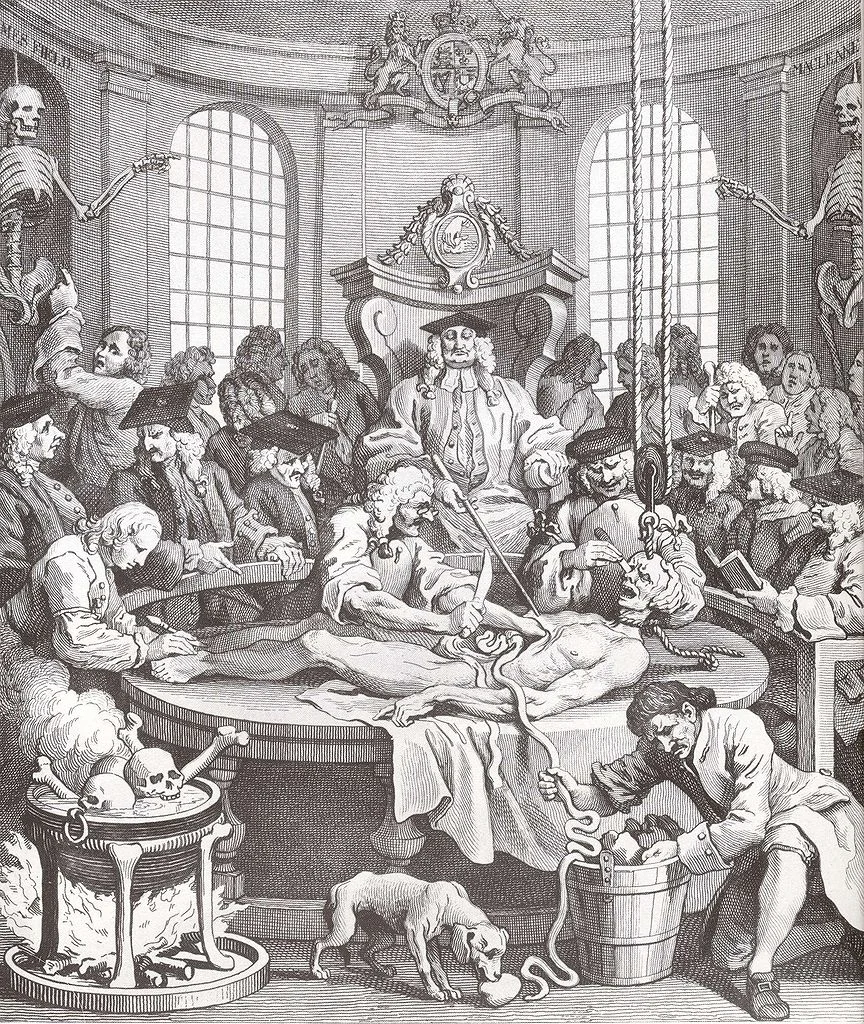
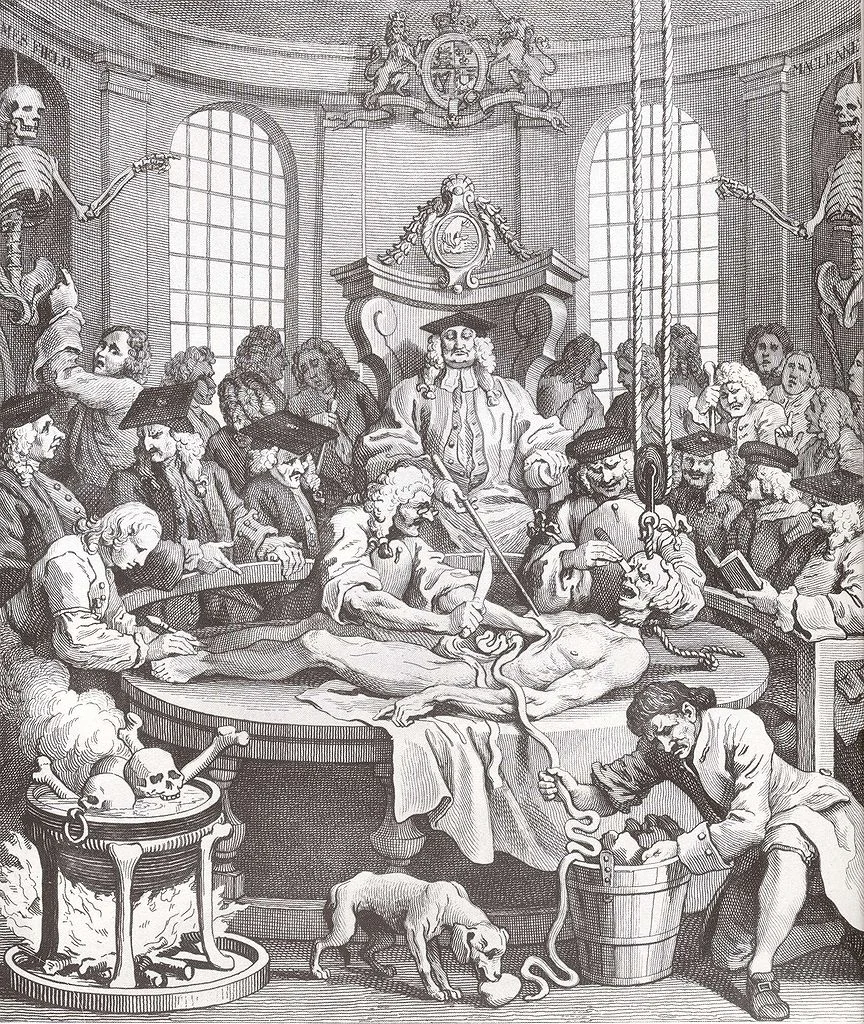
Unlike most ‘true crime’ stories, this one doesn’t finish at the gallows but goes on to the dissection tables where murderers’ bodies were ‘dissected and anatomised’ for the benefit of science and the punishment of crime. Or we can go to the gibbets where dead bodies were ‘hung in chains’ for decades as their metal cages and chains creaked in the wind and the corpses within gradually decayed.
Our research team has spent the last five years uncovering stories about executed criminals of the eighteenth and nineteenth centuries, and this exhibition presents some of our work. We are grateful to the Wellcome Trust for funding our research, and to Patrick Low for setting up this exhibition.
Below is just a small selection of what's on offer on this site. Enjoy....if you dare!
FOLLOW THE JOURNEY OF THE CRIMINAL CORPSE
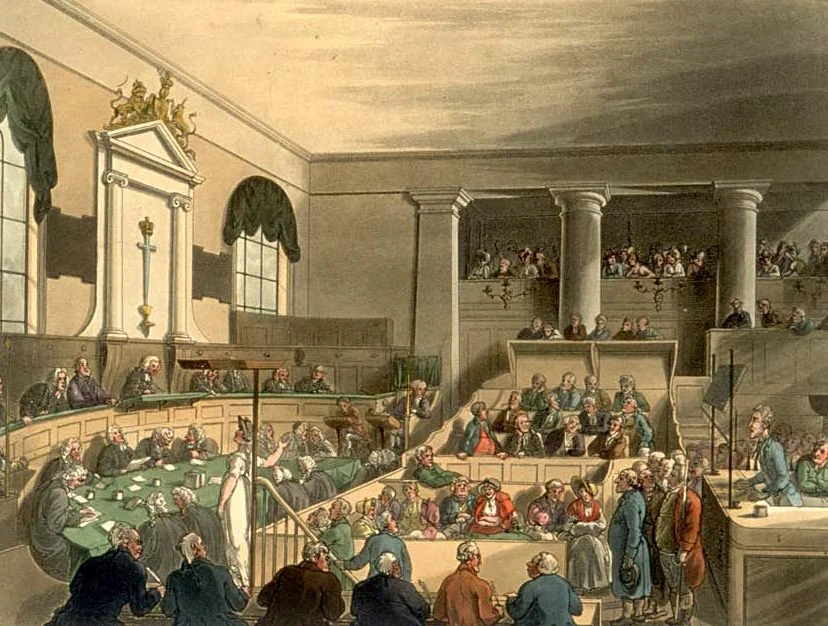
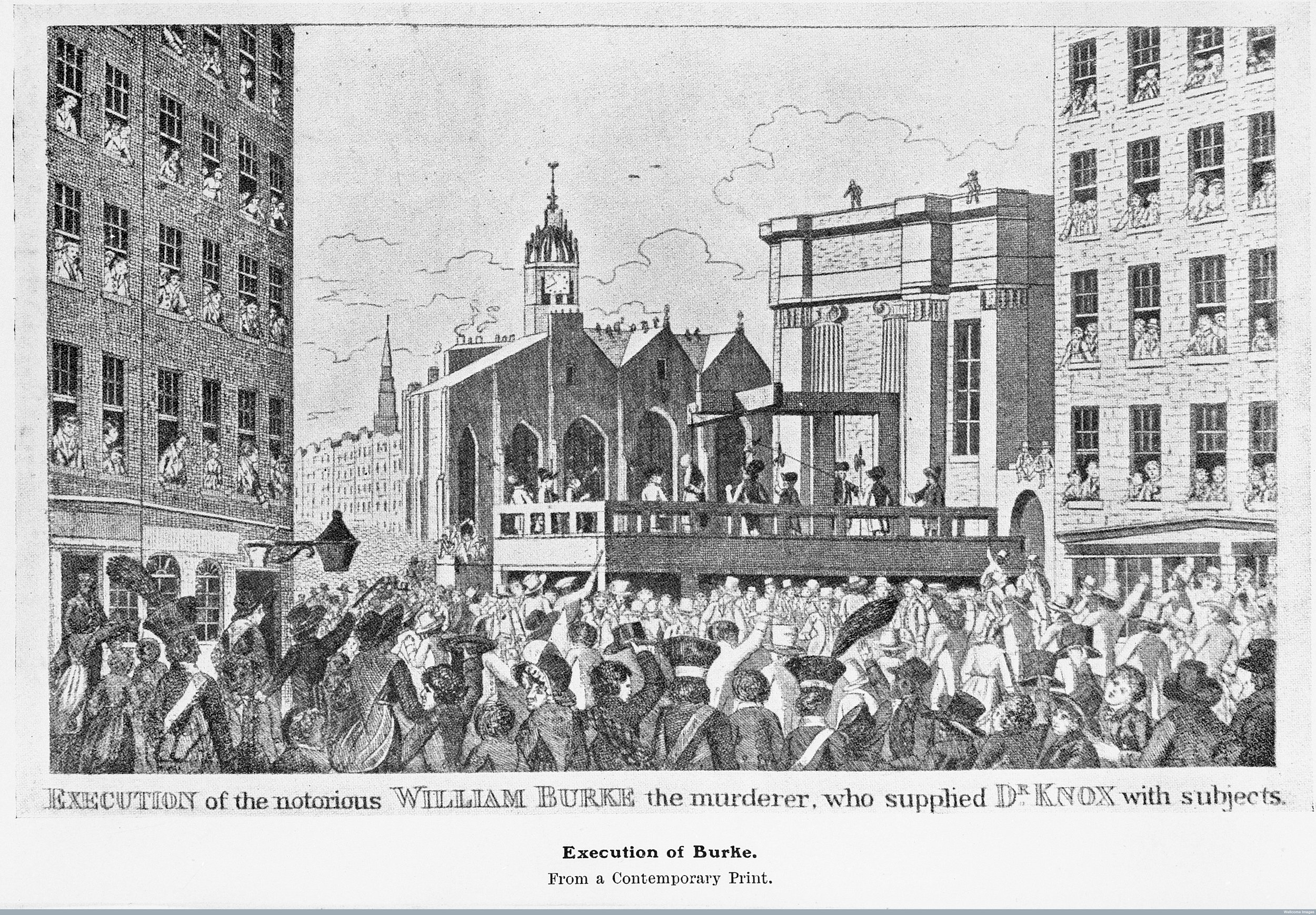
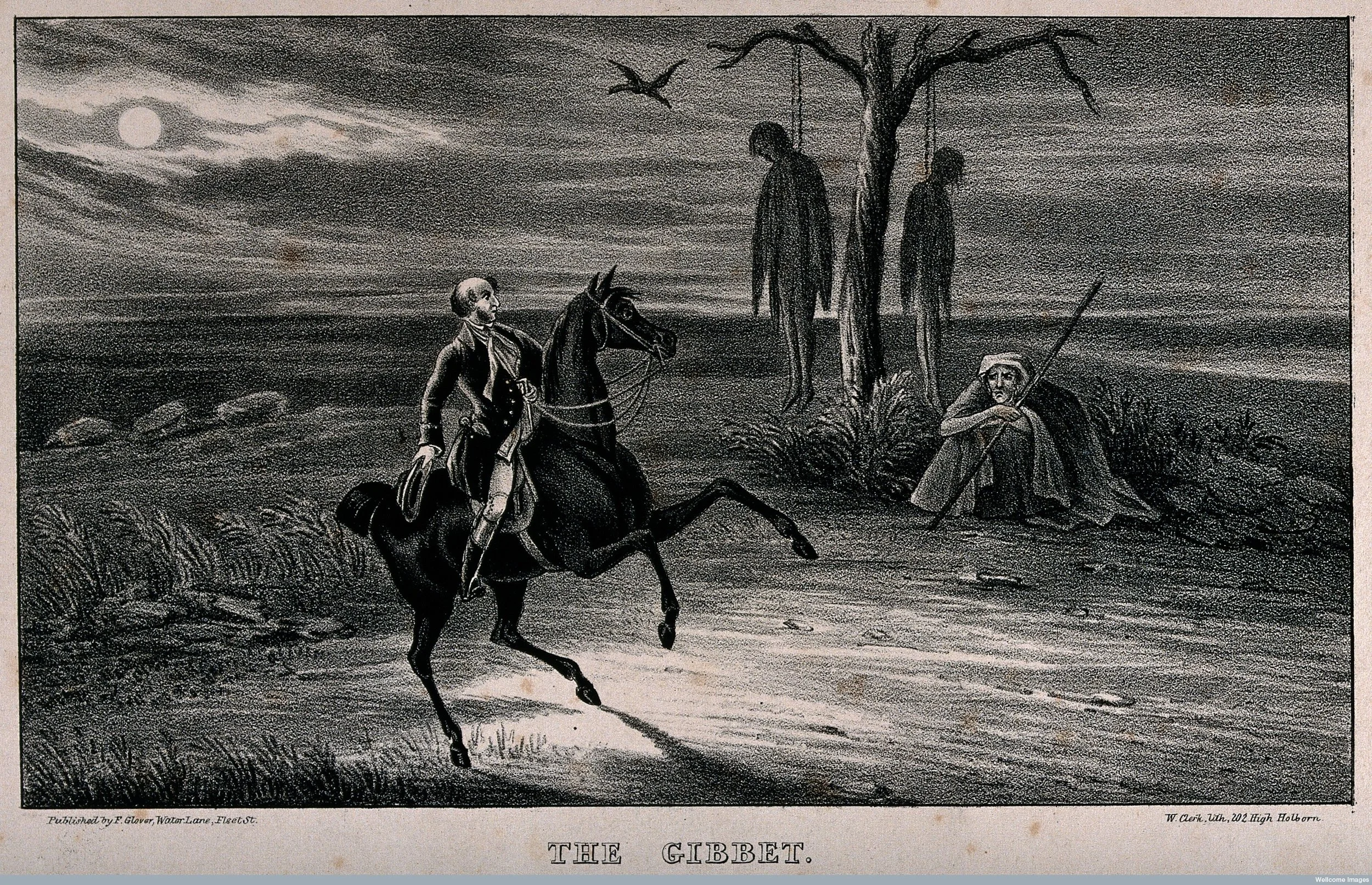
The Murder Act of 1752 brought in the additional post-mortem punishment of gibbeting for certain crimes. The criminal corpse, after execution, would be placed in a cage and hung from a 20-30ft post near the scene of the crime or in a prominent part of the landscape. It was a punishment intended to be seen by as wide an audience as possible...

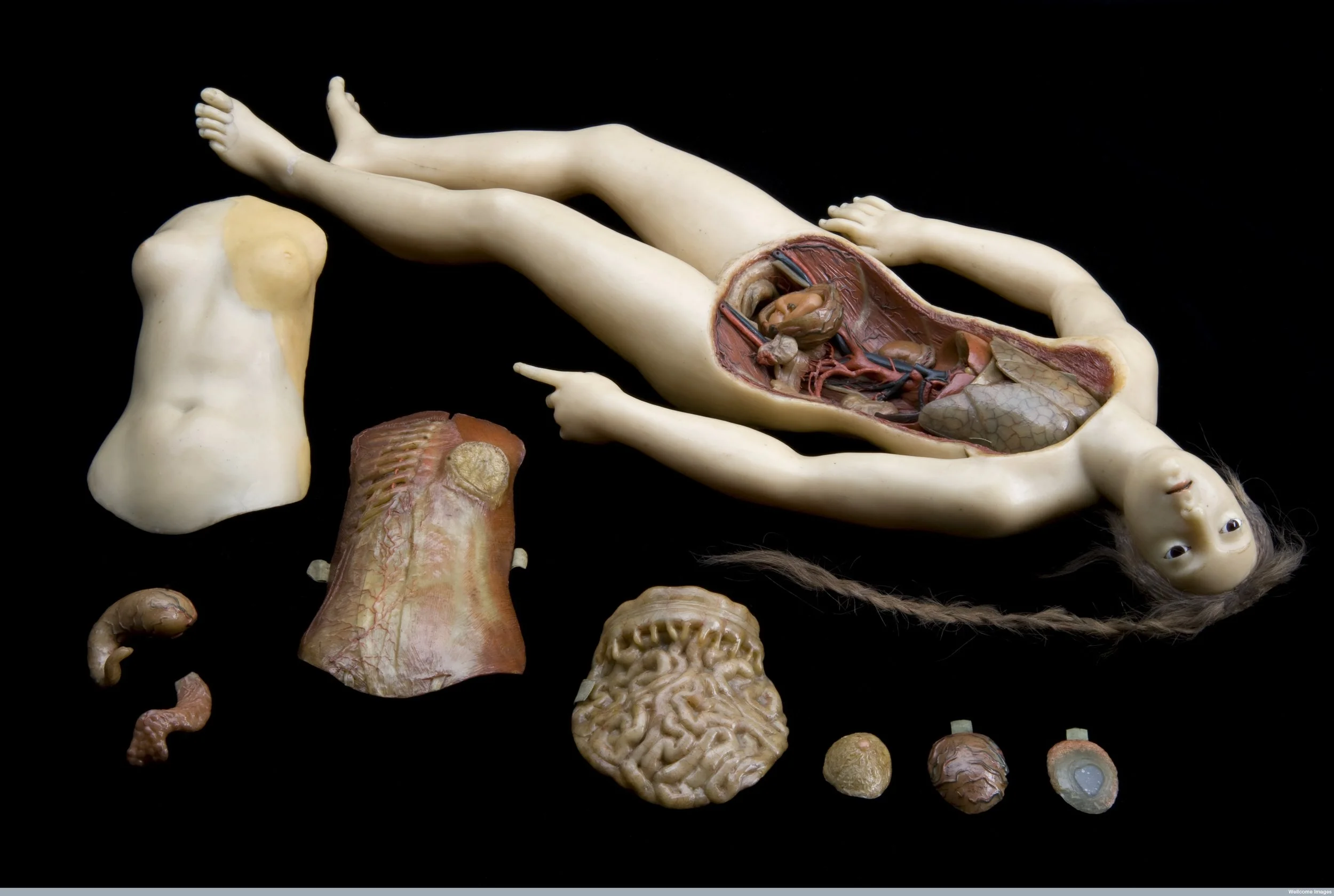
The power of the criminal corpse remained long after death. From the healing touch of the criminal hand to the use of the corpse's skin for book binding, these bodies retained a certain dark glamour. Even to this day parts of the bodies executed in the eighteenth and nineteenth century form the basis of museum exhibitions and are highly prized collectibles...
TIMELINES
ESSAYS


